by | Mar 31, 2022 | Lifestyle |
Looking after your teeth is, of course, essential, but you shouldn’t make the mistake of thinking that oral health begins and ends with them. A part of the mouth that sometimes doesn’t get the attention it deserves is your gums. However, failing to notice problems with them and not giving them the care they need can lead to problems just as severe, including tooth loss and infection. Here, we’re going to look at why it’s essential to take care of your gums, and just what you can do to look after them.
What is gum disease?
Gum disease is a term that is typically applied to two conditions. The first, and more common, is gingivitis, which is the inflammation of the gums in response to the infection of bacteria on the surface. There are differences between gingivitis and periodontitis, the more advanced form which is also known as periodontal disease. However, gingivitis is when the gums become inflamed and sensitive, which can lead to irritation and bleeding. When not treated, it can lead to periodontitis, which can lead to irreversible damage to bone and other tissue. As such, treating it while it is still in the gingivitis stage is typically the best course of action. But how do you know when you have the problem, to begin with?
Signs you might have it
How do you know that you should be concerned about gum disease in the first place? Thankfully, there are plenty of clear signs that you might notice. The one that most people tend to see first (and might often ignore) is blood when they are brushing their teeth. This is a common experience, but it’s not one you should ignore. Other symptoms are red and swollen gums, gums that are receding from the teeth, as well as bad breath or a bad taste in the mouth on a regular basis. If you see or feel deep pockets between your teeth and gums or you feel like your teeth are loose or shifting, this might be a sign of periodontal disease, which means you’re going to need dental intervention as soon as possible.
Brush your teeth right
Many of the steps you can take to both prevent and treat gum disease are the standard steps of oral health care that you should already be investing time in. If you’re experiencing symptoms of gum disease despite regular care, it might mean that you’re not doing it right or that there’s an underlying problem making you more at risk. Either way, you should see your dentist. Otherwise, make sure you’re brushing your teeth right, with anti-bacterial toothpaste. Two minutes of brushing, ideally twice a day (including after your last meal of the day) are enough. You should just make sure that you don’t miss any parts of the teeth, which an electric toothbrush can help with. You don’t need to brush super hard.
Flossing is just as important as brushing
A lot of people make the mistake of treating the act of flossing as an additional step, a bonus to go with brushing. That’s not the case. Flossing is just as vital as brushing your teeth and if you don’t floss, your teeth aren’t clean and your chances of developing gum disease remain high. There’s a lot of food that gets stuck between the teeth and you need to get it out to stop it from multiplying the bacteria in your mouth. To that end, tools like Instafloss can make it much easier to floss more quickly and work better for people who might have had trouble doing it manually. There’s no excuse to not clean between the teeth, you just need to find the method that works for you.
Consider the right mouthwash
While mouthwash might not be quite as crucial as brushing or flossing, it can still be a very effective step in the fight against gum disease. In particular, you might want to look at specialist products like TheraBreath mouthwash. In particular, you want to make sure that you’re using a therapeutic mouthwash, which helps to reduce plaque, slow the spread of bacteria, and even slow the development of tartar, which normally you would have to get cleaned with a professional cleaning from the dentist. It’s important to bear in mind that it’s not a replacement for brushing or flossing, however. Rinsing after a meal is great, but you should make sure that you get to brush your teeth at some point, preferably not too long after.
Regular cleanings are crucial
As has already been mentioned a few times, you really should be trying to fight gum disease with the help of your dentist as soon as you think that you might have it. Not only are regular cleanings going to be important to quell the spread of plaque, bacteria, and tartar, but the dentist can also make recommendations specific to your needs. Most importantly, they can tell you the progression of the disease and can tell you when serious action needs to be taken to prevent periodontitis. Going to the dentist can be daunting, but when it comes to keeping your mouth healthy, there really is no avoiding it.
It’s vital to stop it from getting worse
If you see any of the signs of gum disease as mentioned above, then it’s crucial that you do something to treat it while you still can. Gingivitis, as described above, can be treated but it can also develop into periodontitis. This more advanced form of gum disease can cause irreversible damage, which can include the loss of your teeth. As such, if you don’t notice changes when following the steps above, you have to inform your dentist and seek their advice.
Gum disease is one of the most common oral health issues affecting people of all ages. If you’re not taking the steps to prevent and fight it now, you can end up paying for it further down the line. Hopefully, the tips above help you in doing that.
by | Mar 30, 2022 | Lifestyle |
Life can be hectic and chaotic at times, which may make you feel anxious and out of sorts. While you don’t have control over all that occurs, you must realize that there is a lot that is in your possession, and this is what you should focus on.
It is possible to slow down and experience less stress when you make an intentional effort to change your lifestyle and habits. You may find your new existence quite rewarding even though it’s quieter and, at times, less exciting. Take time to learn how to lead a calmer life if you’re ready to get out of the fast lane.

Photo by ArtHouse Studio from Pexels
Choose the Right Career
Lead a calmer life by choosing the right career that won’t bring about a lot of stress and pressure. For example, first responders have a lot to deal with on any given day and may cope in self-destructive ways. Consider which line of work and type of job might be best suited for you, given that you’re trying to slow down. Think about your passions and what types of jobs won’t be demanding and taxing so you can go to work feeling happy.
Meditate & Practice Deep Breathing
Another way to lead a calmer life is to rearrange your schedule to include some downtime for yourself. Use these moments to meditate, reflect, and practice deep breathing exercises. Engaging in regular meditation sessions is excellent for reducing stress, boosting your mental health, and it’ll help you stay positive through challenges. The best part about deep breathing is that you can do it anywhere and anytime you wish.
Spend Time Outside & in Nature
Nature has a natural way of healing and putting you at ease the minute you step foot in it. Therefore, you can lead a calmer life by spending more time outside and enjoying all the outdoors. Surround yourself with beautiful scenery and fresh scents and you’ll be on your way to feeling relaxed and happy. There are many activities you can do outside to allow you to enjoy nature and the sunshine.
Keep A Small Inner Circle
Your life will be calmer when you avoid drama and don’t get involved in sticky situations or hang around negative people. If you’re feeling overwhelmed or uneasy in social situations, it may be time to revisit who you spend time with. Lead a calmer life by keeping a small inner circle that includes those who genuinely care about you and want to see you succeed. You’ll find that doing so may mean fewer activities and events but more peace and calm in your days.
Conclusion
Leading a calmer life isn’t an easy goal to achieve but can be done when you modify your way of life and routine. Consider implementing these tips and see if you begin to feel more in control and calmer, and less anxious over time. It’s all about what you choose to do and focus on and your priorities to get to a better place.
by | Mar 19, 2022 | Lifestyle |
When visiting a healthcare center, it is essential to ensure you get the correct diagnosis. This can be done by following some simple steps. The following blog will discuss what you can do to ensure you receive the proper diagnosis from your doctor.

Photo by cottonbro from Pexels
Take All Relevant Medical Information With You
Make sure to take all relevant medical information with you when visiting the doctor. This includes a list of all medications you are currently taking and any medical conditions you have. If you have seen another healthcare provider recently, bring along their contact information and any test results they may have ordered.
Doing this will give your doctor a complete picture of your health and help them make a more accurate diagnosis. It is also essential, to be honest with your doctor about your symptoms and how long you have been experiencing them. This will allow them to rule out any potential causes that might not be related to your current complaint.
Get A Second Opinion
If you are unsure about your diagnosis or feel like something is being overlooked, it is always a good idea to get a second opinion at a different healthcare center. This can be done by seeing another doctor or requesting a specialist referral.
Getting a second opinion is especially important if you are told that you need surgery or other invasive treatment. These procedures should only be performed when there is a clear medical need, so it is essential to ensure that all other potential causes have been ruled out first.
Asking for a second opinion can also help put your mind at ease if you feel anxious about your health. It is important to remember that doctors are not perfect and sometimes make mistakes. If you have any doubts about your diagnosis, it is always better to err on the side of caution and get a second opinion.
Keep A Record Of Your Symptoms
If you are concerned about your health, it can be helpful to keep a record of your symptoms. This can be done in a notebook, on your computer, or even on your phone.
Keeping track of your symptoms can help you notice patterns that might otherwise be missed. For example, you may see that your headaches only occur when you eat certain foods or that you always feel nauseous after taking a specific medication. This information can be extremely helpful in getting an accurate diagnosis.
It can also be helpful to keep track of how well your treatments are working. If you feel like your symptoms are not improving, or if they are getting worse, make sure to mention this to your doctor. They may need to adjust your treatment plan accordingly.
By following these simple steps, you can help to ensure that you receive the correct diagnosis when visiting a healthcare center. Remember, your health is essential, so don’t hesitate to ask for a second opinion if you have any doubts about your diagnosis.
by | Mar 17, 2022 | Lifestyle |
People of all ages need to have good oral hygiene if they generally have good health. Of course, this is not always easy to make sure of or keep on top of, and it’s something that you will need to put some effort into if you hope to make some improvements here. One way to ensure that is to look into it as a family unit, as this way, you are much more likely to find that everyone in your family has the appropriate oral hygiene going on. Let’s look at some of how you can hope to achieve this.
Pic – CCO License
Teach Your Kids How To Brush
One of the simplest things you can do here is to teach your kids how to brush to do it themselves as soon as possible. This is a life skill and an important one, so it’s something that you will want to ensure you are doing right for them. If you brush with them and make a habit out of it, you will find that they are much more likely to keep up that habit themselves – and teaching them the best ways to brush is always going to be beneficial.
Remember Flossing
Brushing alone is not always going to be enough, however. You also need to make sure that you are flossing, and most people are pretty bad at forgetting to do this one. If you are someone who often forgets to floss, again, it is just a matter of making it into a habit, which you should be able to do pretty quickly as long as you remind yourself of why it is so important. Plus, your kids are much more likely to floss too, which is suitable for their oral hygiene now and in the future.
Find A Good Family Dentist
Every six months, everyone in your family will need to go to the dentist, of course, and that means you will want to find the best dentist you can. If you are struggling to find one that you are happy with, you might want to expand your sights to improve your chances. Leesburg Family Dental is an excellent example of the kind of family dentist that will help you out, so make sure that you are considering them if you are in the area.
Be Strict
Finally, remember that this is an area where you can use your position as a parent to help your kids. In particular, you can do this by being strict, telling them that there will be consequences if they do not brush and floss their teeth, and ensuring that you follow through on that if possible. All in all, that will help ensure that your family is much healthier when it comes to their oral hygiene and health.
by | Mar 17, 2022 | Lifestyle |
Your health is the most important thing you have – without it, anything else loses much of its value. And when you’re motoring along with no apparent health issues, it can be tempting to assume that things will continue in that vein for the foreseeable future. Maybe they will – general well-being tends to be a self-perpetuating state up to a point, while people in poorer health will often have multiple comorbidities – but this doesn’t mean you should ignore your health and avoid medical appointments. Indeed, regardless of how you feel at a given time, there are a few appointments you should make soon if you haven’t done so in the recent past.

Pixabay – CC0 Licence
See your GP for a check-up.
A full once-over is recommended at least once a year. This will vary between places and even doctors, but it will usually include blood tests, blood pressure and body mass checks, and a conversation about your general health. It’s not uncommon for potentially damaging health issues to be picked up – and successfully treated – due to routine health check.
Visit your dentist at least twice a year.
Many of us associate the dentist with our childhood because we used to have to go when we were younger and hated the experience so much that we stopped attending the moment we had any choice in the matter. But regular dental appointments with the likes of Canyon Creek Dentistry can ensure that you keep your teeth healthy even into old age. A dentist is often the first professional to notice signs of conditions such as oral cancer and diabetes, heart disease, and osteoporosis.
Age-related check-ups
Various conditions are more likely to arise at different stages in life. Once you’ve turned 40, it becomes more important to have breast exams if you are a woman or a prostate check if you are a man. You should also, whatever your gender, have had a colonoscopy by the time you are 45 – and as often after that as is recommended, to look for signs of colorectal cancer, which becomes more common at this age. But even in your 20s and 30s, there are checks you should not ignore.
Discuss your mental health
Estimates range between 20 and 25% for the number of people with a detectable mental health condition both in the US and more globally. And these numbers are based on what we can tell from existing cases and self-reporting. The number of people who don’t know or don’t believe they have a condition might mean those numbers are dramatically underestimated. Even if you feel generally good, it is worth discussing things with a therapist at least once in a while. Consulting negative experiences – which happen to us all – in a controlled environment with a trained expert helps us process and compartmentalize.
Even if you feel perfectly well most or all of the time, getting checked out every once in a while can help you get ahead of any health conditions that may be hiding out, ready to surprise you. Don’t miss out on getting a health check when it presents itself.
by | Mar 15, 2022 | Lifestyle |
Keeping a clean home has a lot of importance. While this may be a habit that your parents instilled in you while you were young, or maybe this is societal pressure, something about having a clean home feels so essential outside of these two factors. If you want to take some simple steps towards taking proper care of your health, it may be best to take a good look at your home. The condition of your home, specifically how clean it is, can indeed affect your health. Some science backs this up as well. If you let your home get dirty or a bit disorganized, it can affect you. So what are the benefits of a clean house?
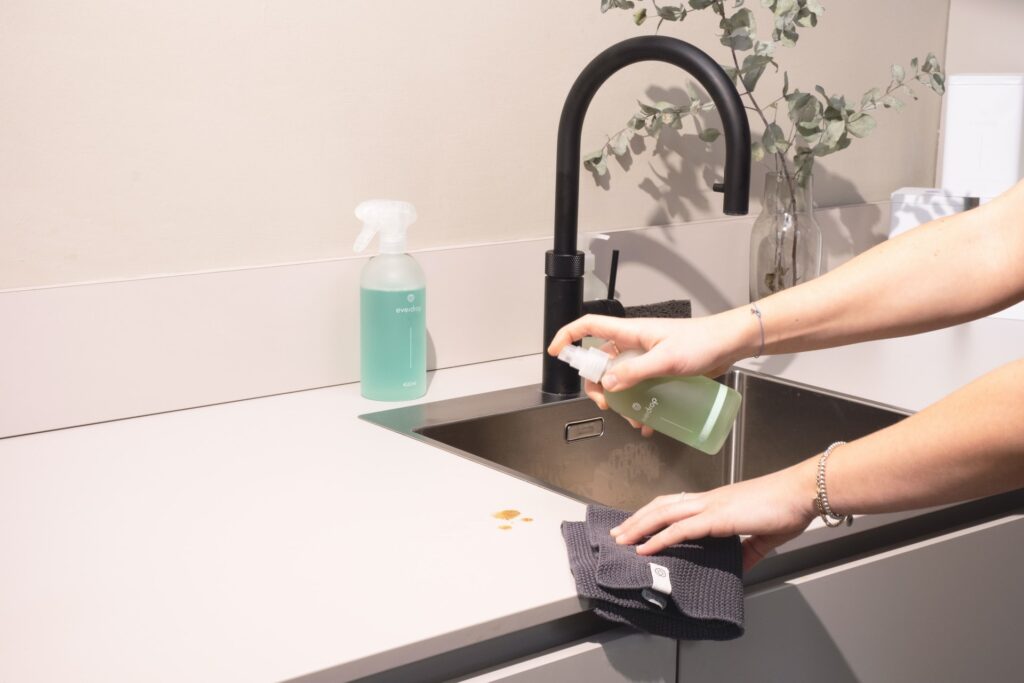 Photo by ever drop GmbH on Unsplash
Having a clean home will make you feel less stressed
Visual clutter is known for increasing stress, especially if this is clutter that you know you need to take care of. Your mental health, especially your stress levels are, can be linked to your environment. So it’s essential to tackle your to-do list and wipe away from those piles of visual clutter that may be in your home.
You’re reducing hazards.
This is significantly more apparent regarding your fireplace, appliances, and HVAC system. A thorough deep cleaning is needed everywhere on these to avoid fires. Dust and debris build-up is quite common, which often begin to start fires. Even if it’s not something you can personally take care of, you can hire professionals from DUCTZ to help you sort this out. A clean home is a safe home.
You’ll get sick a lot less.
If your home is clean, it means there are fewer spots for germs, bacteria, and mold to grow at. Some prime locations these hang around are carpets, rugs, bedding, upholstery, dark areas, and moist areas. However, other areas such as doorknobs can be at risk of sheltering bacteria. The more you clean your home, the fewer germs and bacteria will be around. This keeps you and the rest of the household in your home very healthy.
A clean home boost productivity
Another mental health benefit to having a clean space is that you will be more inclined to feel productive. So what does a clean home have to do with productivity? Visual clutter also creates clutter for the brain. It means that you’re going to see too many distractions from an unorganized space. But if the room is clean and organized, the exact opposite will be happening where you’ll feel more inclined to be active and productive because there aren’t any visual or mental distractions.
Your sleep can improve.
Have you ever had a hard time sleeping because your to-do list was nagging at you? That’s happened to all of us, but if you have a clean home, this will be one less thing on the list of what has to be done. Most to-do lists that the average person has involved cleaning up their home.







Follow!